When people imagine their first solo trip, they often picture something huge. A plane ticket to another continent. A passport stamp in a faraway country. A dramatic moment where they suddenly become a confident, fearless traveler overnight.
But in my experience, that is not how solo travel usually begins.
Confidence in traveling alone is something that grows over time. It starts small. Much smaller than most people expect. Planning your first solo trip does not have to feel overwhelming if you allow yourself to build that confidence gradually.
That is exactly how my journey into independent travel unfolded.

Start Smaller Than You Think You Need To
Before you ever book a flight or pack a suitcase, the first step toward solo travel can be as simple as taking yourself out to dinner.
For a lot of people, eating alone in a restaurant feels surprisingly intimidating. We worry about looking awkward or being judged. The reality is that most people are far too busy enjoying their own meal to notice who else is dining alone.
Taking yourself out to dinner is a small but powerful step. It teaches you that your own company can be enough.
From there, you can expand the idea a little further. Try a solo coffee shop visit with a book. Spend an afternoon exploring a local museum by yourself. Go see a movie alone. These moments help normalize the experience of doing things independently, which makes travel feel far less intimidating later.
Try a Solo Day Trip
Once you feel comfortable doing things alone in your own town, the next step might be taking a day trip somewhere nearby.
Pick a town an hour or two away that you have never explored before. Drive there in the morning and spend the day wandering. Visit a bookstore, find a local café, walk through a park, or explore a small downtown area.
A day trip is the perfect way to practice the rhythms of solo travel without the pressure of being far from home. You are learning how to navigate somewhere new, make decisions for yourself, and enjoy the freedom that comes with having no one else’s schedule to follow.
And the best part is that you can always drive home at the end of the day.
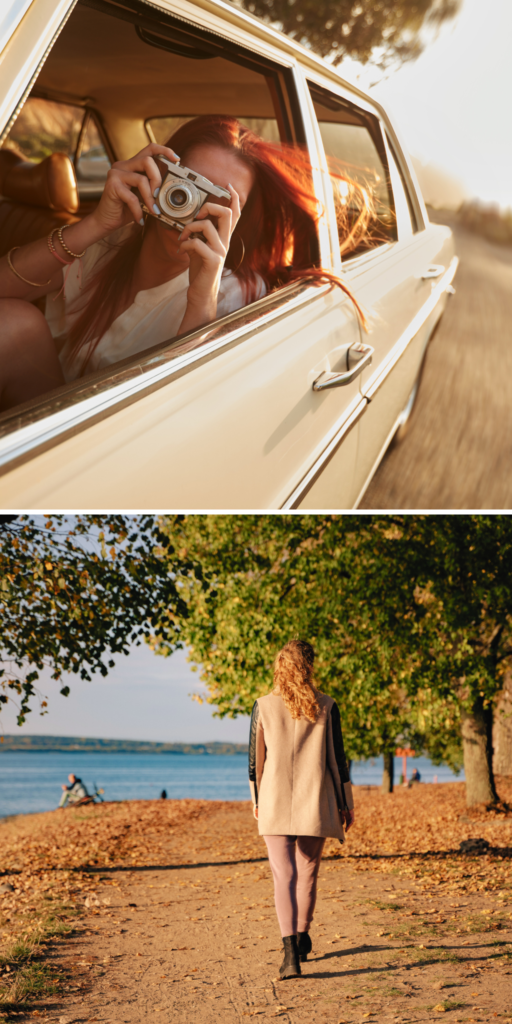
Work Your Way Up to a Weekend Trip
After a few successful day trips, a weekend getaway starts to feel much more manageable.
Choose a destination that feels exciting but not overwhelming. Maybe it is a city a few hours away or a quiet mountain town you have always wanted to visit. Book a hotel or cozy Airbnb for two nights and give yourself permission to explore at your own pace.
Weekend trips are often where people really start to fall in love with solo travel. You wake up when you want. You spend your time doing exactly what interests you. If you want to linger in a bookstore for an hour or sit in a café people watching, there is no one rushing you along.
You begin to realize that traveling alone is not lonely. It is freeing!
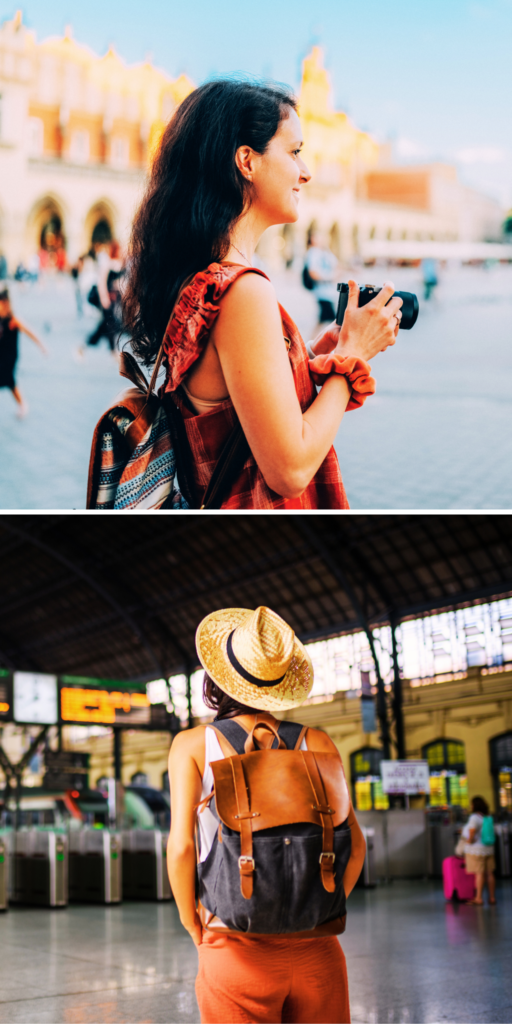
Eventually, You Might Feel Ready for an International Trip
For some people, an international solo trip is the dream. For others, staying closer to home is perfectly fulfilling.
There is no right timeline for this step.
If international travel is something you want to experience, the confidence you build through those earlier steps makes it feel far less intimidating. By the time you reach that point, you already know that you can navigate unfamiliar places, solve small problems along the way, and enjoy your own company.
You have already proven to yourself that you can do this!
Choosing Your First Solo Destination
Picking your first destination can feel like a big decision, but it does not have to be complicated.
I like to start with places that naturally align with my interests. If you love art, choose a city with great museums. If you love nature, look for a destination with beautiful parks or hiking trails. If food is your thing, pick somewhere known for its restaurants.
For a first solo trip, it can also help to choose a place that is relatively easy to navigate. Walkable cities, places with good public transportation, or destinations where you feel comfortable driving are great starting points.
Sometimes the best destination is simply a place you have always been curious about.
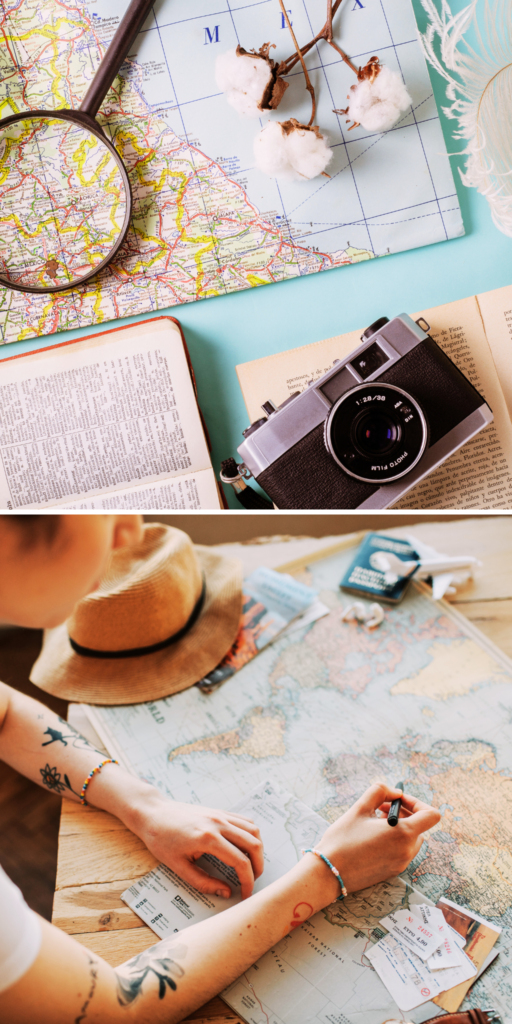
Planning Without Overplanning
One of the easiest ways to become overwhelmed while planning a trip is trying to schedule every single moment.
When I travel solo, I prefer to plan loosely and give myself space to explore naturally. One method that works really well for me is what I call the three block day.
Instead of filling my itinerary hour by hour, I divide the day into three general blocks.
The morning is usually for one main activity. Maybe that is visiting a museum, taking a walking tour, or exploring a historic area.
The afternoon is more relaxed. This might be a long lunch, wandering through shops, or simply walking around a neighborhood.
The evening is reserved for dinner and something low pressure, like enjoying a scenic viewpoint or finding a cozy café.
Thinking about the day in three simple sections keeps things structured without making the trip feel rigid.
Plan One Day at a Time
Another thing that helps reduce stress is focusing on just one day at a time.
You do not need to plan every detail of your entire trip before you leave. Often I will outline a few things I might want to see, then decide the night before or even the morning of what sounds most appealing that day.
Traveling alone gives you the flexibility to change your mind. If you wake up tired, you can take it slow. If you discover something interesting along the way, you can follow your curiosity without worrying about someone else’s schedule.

Using AI to Help Plan Your Trip
One of my favorite travel planning tools lately has been AI.
Tools like ChatGPT or other AI search engines can be incredibly helpful when you are trying to build an itinerary or discover things to do in a new destination. I often ask for suggestions based on the types of experiences I enjoy, whether that is museums, scenic walks, unique coffee shops, or local food spots.
One thing I always mention when I use AI for travel planning is that I am plus size and tend to walk a little slower. That small detail helps generate suggestions that feel more realistic for my pace. It might recommend shorter walking routes, places where transportation is easy to access, or itineraries that do not require rushing from place to place.
AI is not a replacement for your own curiosity or research, but it can be an incredibly useful starting point when you are building ideas for your trip.

Plan the Finances Ahead of Time
One of the things that has made travel feel much less stressful for me is spreading out the cost ahead of time.
Whenever possible, I like to plan my trips far enough in advance that I can gradually pay for things before the trip actually happens. Flights, hotels, tours, and major expenses get taken care of early.
If I use a credit card to book something, I try to pay it off before the trip arrives. That way when travel day finally comes around, the majority of the trip is already paid for.
Once I arrive at my destination, the only money I am really spending is on meals, souvenirs, or the occasional last minute ticket to an attraction.
That approach makes the financial side of travel feel far less overwhelming and allows me to focus on enjoying the experience.
Solo Travel Gets Easier With Every Trip
The most important thing to remember about planning your first solo trip is that it does not have to be perfect.
Your first trip is not about checking off a bucket list or proving anything to anyone. It is simply about giving yourself the chance to experience the world on your own terms.
The confidence grows with each step. First the dinner alone. Then the day trip. Then the weekend getaway. Before long, the idea of exploring somewhere entirely new on your own does not feel intimidating anymore.
It feels exciting. And that is usually when the real adventure begins!